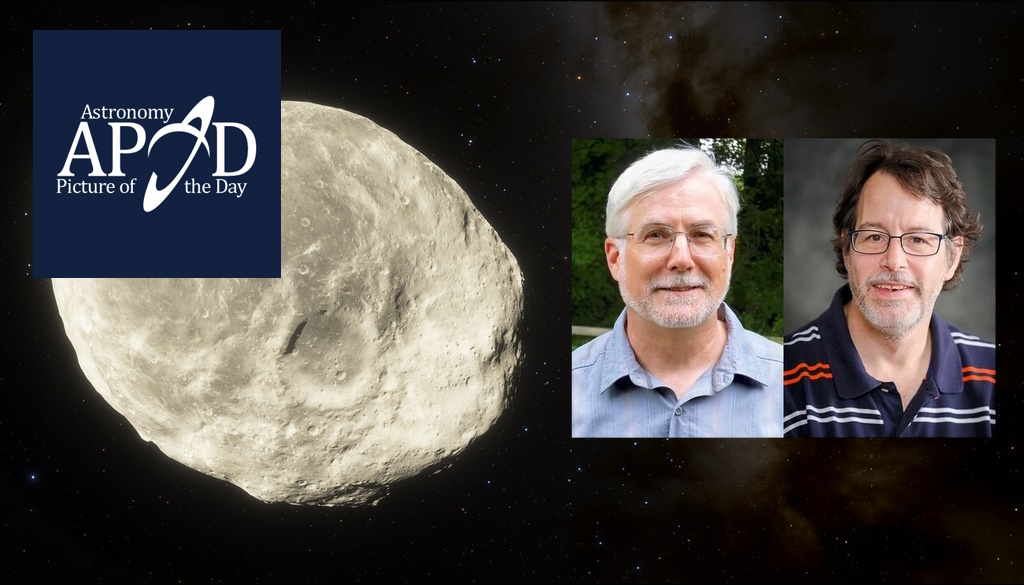
Every day, somewhere on Earth, millions of people open the Astronomy Picture of the Day website expecting to discover something extraordinary. One day, it may be a breathtaking image of a solar eclipse captured over Antarctica. The next, a distant spiral galaxy photographed by an amateur astronomer from a backyard observatory. Sometimes, it is not even a photograph at all, but an animation, scientific visualization, or a historical image that tells an important story about our Universe.
Yet behind every daily publication lies a fascinating question that many readers never consider: who decides which image deserves to become Astronomy Picture of the Day?
After nearly three decades of uninterrupted daily publications, APOD has become one of the most respected and influential astronomy outreach projects in the world. Its editorial process combines scientific rigor, visual storytelling, and an unwavering commitment to making astronomy accessible to everyone. Although only one image is featured each day, countless remarkable photographs and discoveries compete for that distinction.
Selecting a single image that will educate, inspire, and spark curiosity across the globe is both a scientific and artistic challenge.
More Than Just a Beautiful Picture
At first glance, it might seem that APOD simply publishes the most visually stunning space image available each day. In reality, the selection process is far more thoughtful.
An Astronomy Picture of the Day entry must accomplish several goals simultaneously:
- Capture the reader’s attention.
- Communicate scientific information accurately.
- Inspire curiosity about astronomy.
- Appeal to a broad audience.
- Offer educational value.
- Represent the diversity of astronomical discoveries.
Beauty certainly matters, but scientific significance is equally important.
Some APOD entries feature spectacular nebulae or galaxies, while others highlight topics such as:
- Space missions.
- Solar phenomena.
- Planetary science.
- Historical astronomical events.
- Scientific simulations.
- Amateur astrophotography.
- Lunar and planetary eclipses.
- Emerging discoveries in modern astronomy.
The project’s enduring success lies in its ability to balance scientific depth with universal appeal.
Who Is Behind APOD?
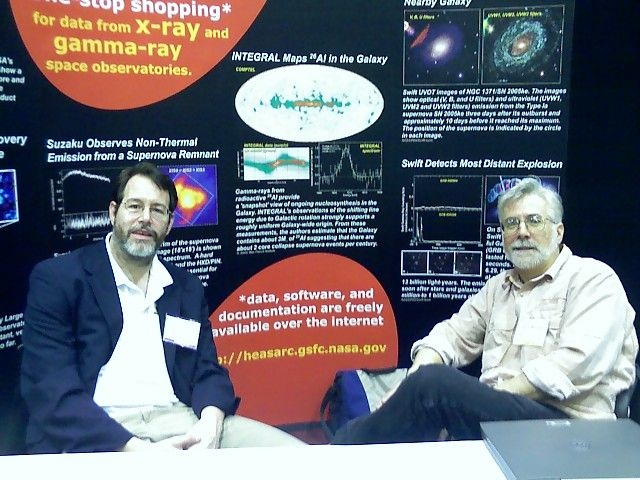
Astronomy Picture of the Day was created in 1995 by professional astronomers Robert Nemiroff and Jerry Bonnell, who continue to oversee the project’s editorial direction.
Their responsibilities include:
- Selecting daily content.
- Writing or editing scientific explanations.
- Reviewing submissions and discoveries.
- Maintaining scientific accuracy.
- Curating the historical archive.
Over the years, APOD has developed a distinctive editorial voice—accessible, concise, and engaging without sacrificing scientific integrity.
Unlike large media organizations with extensive editorial departments, APOD remains remarkably focused. Its relatively simple format places extraordinary importance on editorial judgment.
Every publication reflects deliberate choices about what scientific stories deserve to be shared with a global audience.
Where Do the Images Come From?
One of the most fascinating aspects of APOD is the incredible diversity of its contributors.
Featured content may originate from:
- NASA missions.
- Space telescopes.
- Professional observatories.
- Amateur astronomers.
- Scientific institutions.
- Space agencies around the world.
- Independent astrophotographers.
- Research collaborations.
Modern astronomy has become increasingly collaborative, and APOD reflects that spirit.
Some of its most popular images have been captured not by billion-dollar observatories but by dedicated enthusiasts using equipment set up in their own backyards.
The project demonstrates that extraordinary discoveries and breathtaking astronomical imagery can come from virtually anywhere.
Can Anyone Be Featured on APOD?
In principle, yes.
Amateur astrophotographers are regularly featured on Astronomy Picture of the Day. However, publication requires much more than submitting an attractive photograph.
Editors consider several factors, including:
- Scientific value.
- Technical quality.
- Educational potential.
- Originality.
- Relevance.
- Storytelling opportunities.
A remarkable image becomes even more powerful when accompanied by an equally compelling scientific explanation.
For example, a photograph of a lunar eclipse may be selected not simply because it is visually impressive, but because it provides an opportunity to explain:
- Earth’s shadow.
- Orbital mechanics.
- Atmospheric scattering.
- Historical observations of eclipses.
The image serves as the beginning of a scientific conversation rather than the conclusion.
The Challenge of Choosing Just One Image
Astronomy never sleeps.
Every day, telescopes around the world are collecting vast amounts of data. Space missions continue to deliver new discoveries, while astrophotographers capture stunning observations of the night sky.
The editorial challenge is therefore not finding material—it is selecting only one entry from an abundance of possibilities.
Editors must ask questions such as:
- Is this scientifically important?
- Will readers find it accessible?
- Has this topic been featured recently?
- Does it represent a different aspect of astronomy?
- Does it encourage further exploration?
Variety is an essential part of APOD’s philosophy.
Over time, readers are introduced to:
- Planetary science.
- Cosmology.
- Space exploration.
- Astrophotography.
- Stellar evolution.
- Black holes.
- Exoplanets.
- Historical discoveries.
This diversity has helped make APOD an invaluable educational resource for nearly thirty years.
Scientific Accuracy Comes First
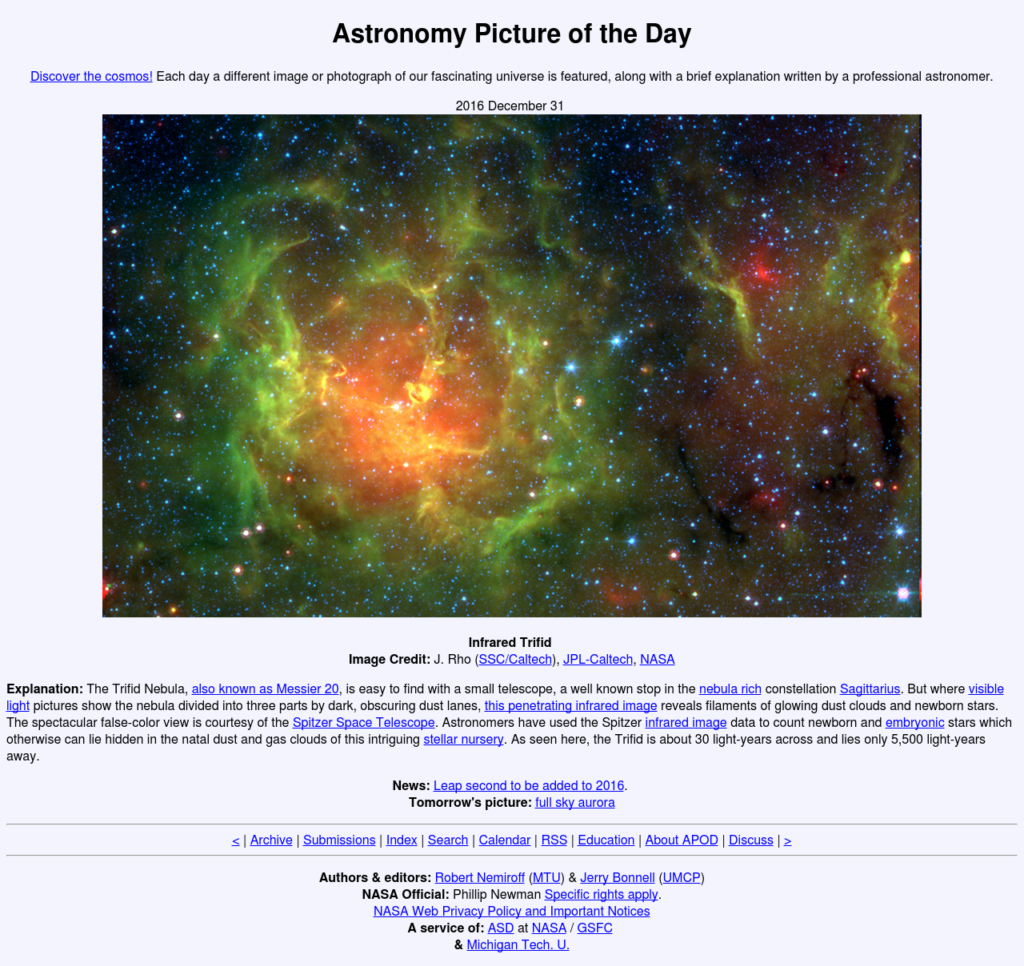
One of the defining characteristics of Astronomy Picture of the Day is its commitment to scientific accuracy.
The accompanying explanations are carefully written to ensure that readers understand:
- What they are observing.
- How the image was created.
- Why it matters scientifically.
- What questions remain unanswered.
Astronomy is an evolving science, and APOD embraces that reality by presenting discoveries within their proper scientific context.
Even highly technical topics are explained in language accessible to non-specialists.
The ability to simplify without oversimplifying is one of the project’s greatest strengths.
The Art of Scientific Storytelling
Astronomy is filled with astonishing facts, but facts alone rarely inspire lasting curiosity.
The best APOD entries tell stories.
Consider a few examples:
- A distant galaxy becomes a glimpse into the early Universe.
- A meteor shower becomes a lesson in celestial mechanics.
- A solar eclipse becomes an opportunity to explore the history of scientific observation.
- An image of Earth from space becomes a reflection on humanity’s place in the cosmos.
Scientific storytelling transforms data into discovery.
Readers are not merely shown what astronomers observe—they are invited to understand why those observations matter.
This narrative approach has helped APOD remain relevant across multiple generations of readers.
Why Amateur Astronomy Matters
Astronomy occupies a unique position among the sciences because passionate amateurs continue to make meaningful contributions.
Modern amateur astronomers regularly:
- Discover comets.
- Monitor variable stars.
- Photograph transient astronomical events.
- Participate in citizen science projects.
- Produce publication-quality astrophotography.
Astronomy Picture of the Day celebrates these contributions by regularly featuring images captured outside professional institutions.
For many astrophotographers, appearing on APOD represents one of the highest honors in the astronomy community.
The project reinforces an important idea: scientific curiosity belongs to everyone.
Inspiring Millions Through One Daily Publication
Publishing a single astronomical image each day may seem modest by today’s digital standards.
Yet APOD has demonstrated that thoughtful curation remains immensely valuable.
Every publication invites readers to pause and consider questions such as:
- What am I looking at?
- How was this image created?
- What does it reveal about the Universe?
- Why does this discovery matter?
In an age of endless digital content, APOD offers something increasingly rare—a moment of focused scientific wonder.
Its influence extends far beyond astronomy enthusiasts. Teachers use it in classrooms, parents share it with children, and lifelong learners return to it daily to expand their understanding of the cosmos.
The Human Element Behind Astronomy Outreach
Modern telescopes may collect extraordinary scientific data, but human judgment remains essential in deciding how those discoveries are shared.
Behind every APOD publication are editorial choices informed by:
- Scientific expertise.
- Educational goals.
- Visual communication.
- Public engagement.
- A passion for astronomy.
The individuals responsible for selecting each image perform an important role in science communication: they help bridge the gap between professional research and public understanding.
Their work reminds us that science is not only about discovering new things—it is also about sharing those discoveries in meaningful and inspiring ways.
Conclusion
Astronomy Picture of the Day is far more than a gallery of beautiful space images. It is a carefully curated educational project that combines scientific accuracy, visual storytelling, and a deep appreciation for humanity’s curiosity about the Universe. Every daily publication represents a thoughtful editorial decision aimed at inspiring readers to explore the cosmos from new perspectives.
The question of who chooses the Astronomy Picture of the Day ultimately reveals something larger about science communication itself. Behind every extraordinary image are dedicated individuals who recognize that the most important discoveries are the ones that can be shared, understood, and appreciated by everyone.
For nearly thirty years, APOD has proven that one carefully chosen image—accompanied by a few hundred words of scientific insight—can inspire millions of people to look up and wonder what else remains waiting among the stars.
FAQ
Who selects the Astronomy Picture of the Day?
Astronomy Picture of the Day was created and is curated by astronomers Robert Nemiroff and Jerry Bonnell, who oversee the project’s editorial and scientific content.
Can amateur astronomers be featured on APOD?
Yes. Amateur astrophotographers regularly appear on APOD when their work meets the project’s scientific and educational standards.
What makes an image suitable for APOD?
Editors consider scientific significance, educational value, technical quality, originality, and the ability to tell an engaging scientific story.
Does APOD only feature NASA images?
No. The project features contributions from professional observatories, space agencies, scientific institutions, and amateur astronomers from around the world.
Why is APOD so influential?
Its combination of scientific accuracy, daily consistency, visual appeal, and accessible explanations has made it one of the world’s most respected astronomy outreach initiatives.